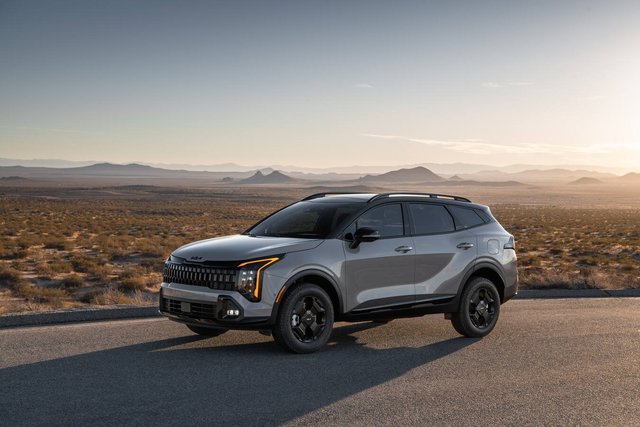
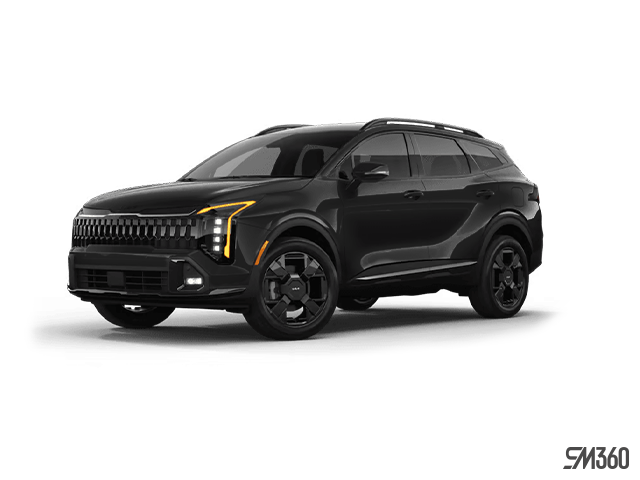
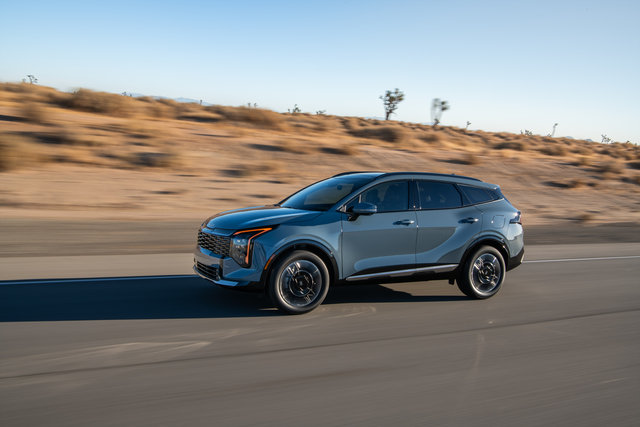
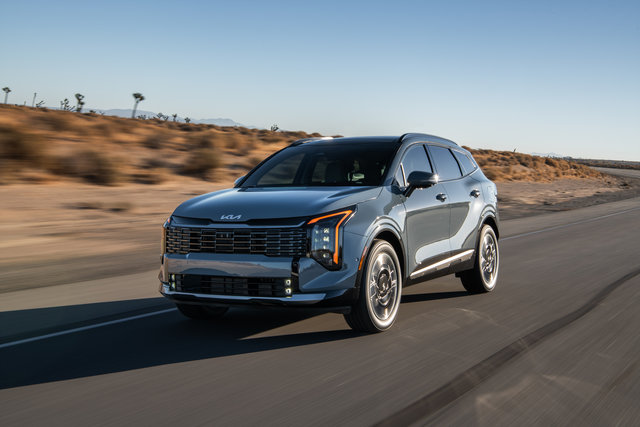
The 2026 Kia Sportage arrives with three distinct powertrains, each engineered to address different driving patterns and priorities across Quebec. From the straightforward gasoline engine to the fuel-sipping hybrid and the plug-capable PHEV, understanding how each system performs in real-world conditions—especially during Quebec's demanding winters—helps narrow the choice to the right fit.
This guide breaks down fuel efficiency, cold-weather capability, towing strength, and long-term ownership costs across all three Sportage variants. No matter if your daily route involves city stop-and-go traffic in Montreal, highway commutes along the 20, or weekend trips to the Laurentians, one of these powertrains aligns with your needs.
Powertrain Specifications at a Glance
|
Powertrain
|
Engine & Motor
|
Horsepower
|
Transmission
|
Drive Type
|
Towing Capacity
|
|
ICE
|
2.5 L 4-cylinder
|
187 hp
|
8-speed automatic
|
FWD/AWD
|
1,588 kg (3,500 lbs)
|
|
Hybrid (HEV)
|
1.6 L turbo 4-cylinder + 47.7 kW motor
|
232 hp
|
6-speed automatic
|
AWD
|
907 kg (2,000 lbs)
|
|
Plug-In Hybrid (PHEV)
|
1.6 L turbo 4-cylinder + 72 kW motor
|
268 hp
|
6-speed automatic
|
AWD
|
907 kg (2,000 lbs)
|
Fuel Efficiency and Range
Fuel consumption varies significantly across the three powertrains, with the hybrid and plug-in hybrid offering measurable savings over the gasoline-only model.
The Hybrid achieves a combined fuel economy of 6.7 L/100 km, balancing city and highway efficiency through its 1.6 L turbo engine paired with a 47.7 kW electric motor. The larger 52 L fuel tank extends range between fill-ups, reducing the frequency of stops during longer trips across Quebec.
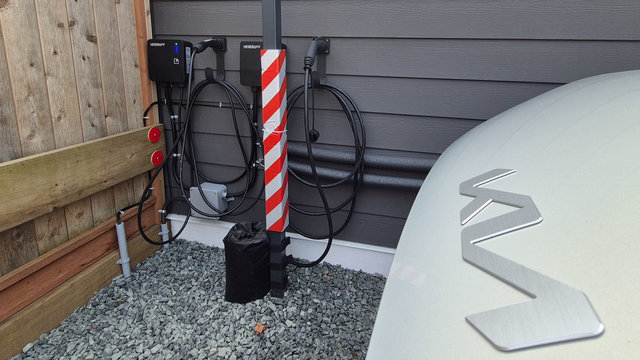
The Plug-In Hybrid uses a 13.8 kWh lithium-ion polymer battery and a 72 kW motor, enabling electric-only driving for short commutes before the gasoline engine engages. With a smaller 42 L fuel tank, the PHEV prioritizes electric operation for daily use, though overall range depends on charging habits and battery state.
The ICE variant relies solely on its 2.5 L 4-cylinder engine. Gasoline-only powertrains typically consume more fuel than hybrid systems under similar driving conditions.
For drivers covering consistent daily distances under 50 km, the PHEV's electric range minimizes gasoline use. For those prioritizing simplicity without charging infrastructure, the Hybrid delivers strong efficiency without plug-in requirements.
Winter Performance and AWD Capability
All three Sportage powertrains handle Quebec winters differently, with AWD availability and electric torque distribution playing key roles.
The Hybrid and Plug-In Hybrid both come standard with all-wheel drive, using electronically controlled torque distribution to manage traction on snow-covered roads and icy surfaces. The electric motors in both systems provide instant torque delivery, aiding low-speed starts in slippery conditions without the lag typical of gasoline-only engines.
The ICE variant offers AWD as an option alongside front-wheel drive. Models equipped with the X-Line Limited trim include an Active AWD system with Terrain Mode settings for Snow, Mud, and Sand, adjusting throttle response and braking intervention based on surface conditions.
Cold-weather considerations for the PHEV include reduced electric range as lithium-ion batteries lose efficiency in sub-zero temperatures. Preconditioning the cabin while plugged in helps preserve battery charge, though drivers should expect shorter electric-only distances during winter months. The Hybrid avoids this limitation by recharging its smaller battery through regenerative braking and engine operation, maintaining consistent performance regardless of temperature.
For drivers navigating rural routes or unplowed roads, the ICE variant's higher towing capacity and simpler mechanical layout may suit heavy-duty winter use better than the electrified models.
Towing and Cargo Capacity
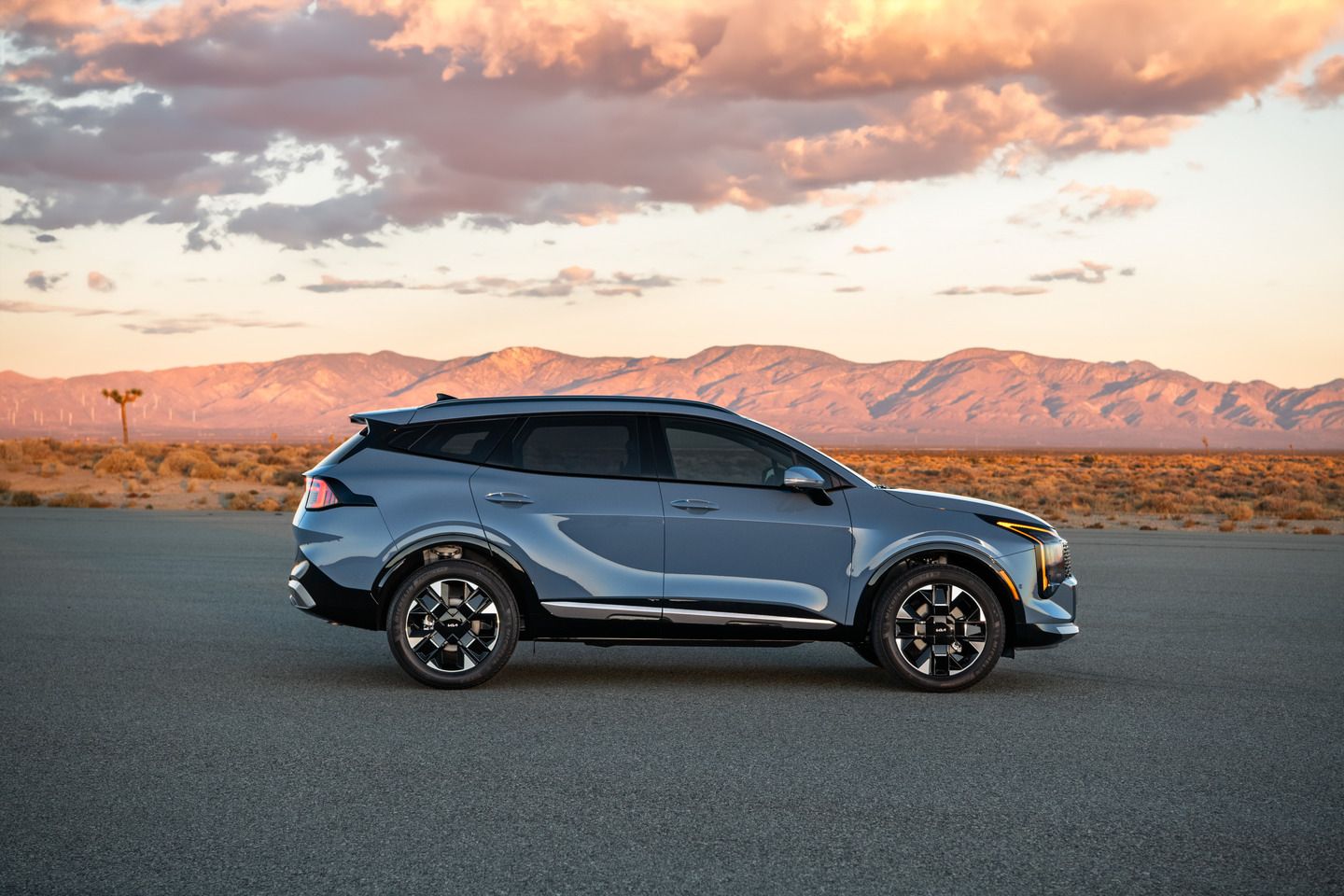
Towing strength differs noticeably between the gasoline and electrified Sportage models.
The ICE variant tows up to 1,588 kg (3,500 lbs) when properly equipped, making it the strongest option for hauling trailers, boats, or snowmobiles. This capacity suits drivers who regularly transport heavier loads or require maximum towing capability for recreational use.
Both the Hybrid and Plug-In Hybrid tow up to 907 kg (2,000 lbs). This reduced capacity reflects the additional weight and mechanical complexity of the hybrid systems.
Cargo space remains competitive across all three powertrains:
- Hybrid: 1,119 L behind the second row (cargo floor lowered), 2,087 L with rear seats folded
- Plug-In Hybrid: 977 L behind the second row, 1,855 L with rear seats folded
The Hybrid includes a dual-level cargo floor, offering flexible storage configurations not available on the PHEV due to battery placement. For drivers prioritizing interior versatility alongside towing, the Hybrid balances both needs more effectively than the PHEV.
Upfront Cost vs. Long-Term Savings
Choosing between the three Sportage powertrains involves weighing purchase price against fuel savings and maintenance over time.
The ICE variant typically carries the lowest upfront cost, with no hybrid components or battery systems adding to the initial purchase. Maintenance remains straightforward, relying on conventional engine service intervals without the additional complexity of electric motors or high-voltage batteries.
The Hybrid adds cost for its dual powertrain but offsets this through reduced fuel consumption. Over five years, drivers covering 20,000 km annually in mixed city and highway conditions save measurably on gasoline compared to the ICE model, though exact savings depend on fuel prices and driving habits.
The Plug-In Hybrid commands the highest purchase price due to its larger battery and plug-in capability. Long-term savings depend heavily on charging frequency—drivers who charge daily and complete most trips on electric power see the greatest return, while those relying primarily on gasoline operation may not recoup the premium over the Hybrid.
Quebec's electric vehicle incentive programs may apply to the PHEV, reducing the effective purchase price. Confirming eligibility before purchase clarifies the PHEV's value proposition.
For drivers prioritizing lower entry costs and simpler ownership, the ICE variant delivers capable performance without hybrid complexity. For those focused on fuel savings and willing to manage charging, the PHEV offers the lowest operating costs per kilometre when used as intended.
Which Powertrain Fits Your Driving?
The right Sportage powertrain depends on your driving patterns, your driving environment, and what you haul.
Choose the ICE variant if you:
- Tow regularly above 1,000 kg
- Prefer straightforward maintenance without hybrid systems
- Drive primarily highway miles where hybrid efficiency advantages diminish
- Want the lowest upfront cost
Choose the Hybrid if you:
- Split time between city and highway driving
- Want AWD with strong fuel efficiency
- Prefer not to manage charging infrastructure
- Value cargo flexibility with the dual-level floor
Choose the Plug-In Hybrid if you:
- Complete most daily trips under 50 km
- Have reliable home or workplace charging access
- Prioritize electric-only driving for short commutes
- Qualify for provincial EV incentives
All three Sportage powertrains include Kia's full suite of Advanced Driver Assistance Systems, maintaining safety and technology parity across the lineup.
Experience the 2026 Kia Sportage at Lallier Kia de Laval
Comparing powertrains on paper provides a foundation, but understanding how each system responds in real-world conditions requires time behind the wheel. Visit Lallier Kia de Laval in Laval to test drive the 2026 Sportage in ICE, Hybrid, and Plug-In Hybrid configurations and determine which powertrain aligns with your Quebec driving needs.
To learn more about the 2026 Kia Sportage, visit Kia.ca