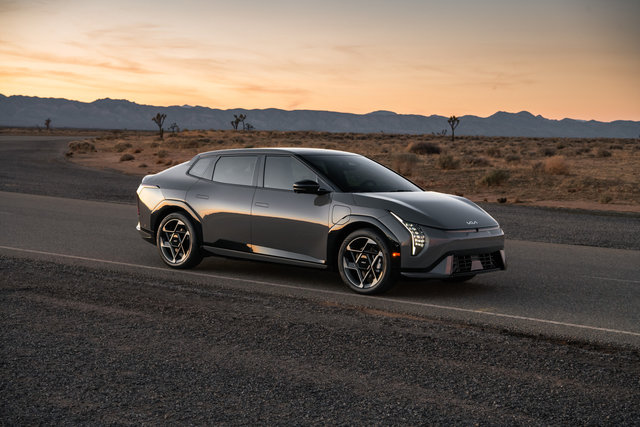
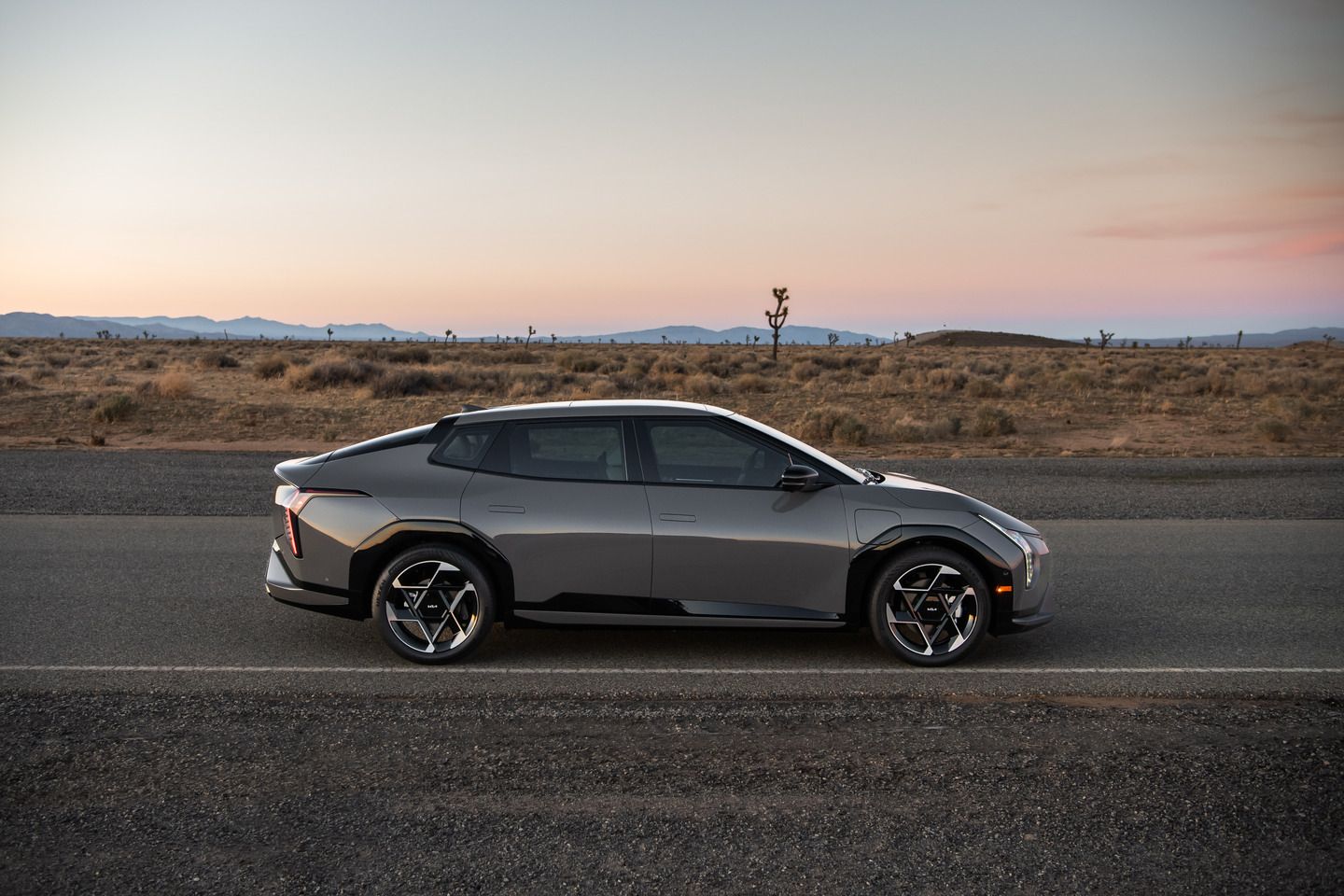
The automotive world is shifting toward electric, and Kia's approach to EV engineering sets a strong foundation for what's ahead. The 2026 EV4, arriving in Canada in early 2026, builds on Kia's dedicated 400V Electric Global Modular Platform (E-GMP) to deliver practical electric mobility with impressive charging capabilities.
For drivers in Quebec who want to understand what makes modern EVs work efficiently, the EV4's platform technology offers a clear example of how dedicated electric architecture can improve the daily driving experience. This compact sedan will bring fast charging, smart energy management, and flexible power options to the Canadian market.
The Foundation: 400V E-GMP Architecture
The EV4's 400V E-GMP platform serves as the backbone for Kia's electric vehicle strategy. This dedicated electric architecture underpins multiple EV models from Kia, including the EV6 and EV9, creating consistency across the lineup while allowing each vehicle to optimize its specific strengths.
Built specifically for electric powertrains, the E-GMP platform eliminates the compromises that come with adapting gasoline vehicle structures for electric use. The platform integrates the battery pack as a structural element, improving rigidity while lowering the vehicle's center of gravity for better handling dynamics.
The 2026 EV4 will offer two battery configurations on this platform: a standard 58.3 kWh battery for the Light trim and a long-range 81.4 kWh battery for Wind, Wind Premium, GT-Line, and GT-Line Limited trims. Both configurations power a front-mounted 150 kW motor.
Fast Charging Capabilities
The E-GMP platform's charging technology addresses one of the most practical concerns for electric vehicle adoption: charging time. The EV4 will achieve 10 to 80 percent charge in an estimated 29 minutes for the 58.3 kWh battery and 31 minutes for the 81.4 kWh battery when using DC fast-charging.
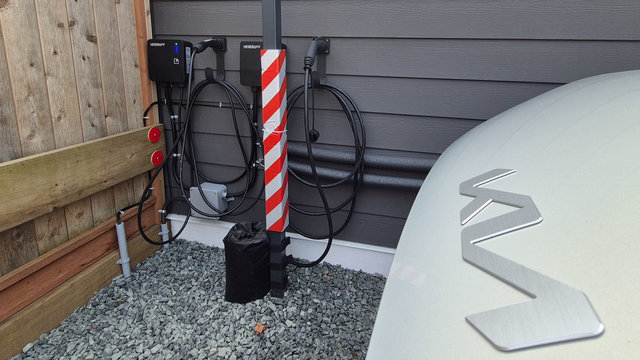
This charging speed comes from the platform's 400V architecture, which balances charging efficiency with system complexity. The standard NACS (North American Charging Standard) port, located on the front passenger side, will provide access to thousands of charging stations across Canada and the United States.
For daily use, this means drivers can add significant range during typical stops. A 30-minute charging session during lunch or while running errands will provide enough energy for most weekly driving needs.
Key Specifications at a Glance
|
Specification
|
58.3 kWh Battery (Light)
|
81.4 kWh Battery (Long Range)
|
|
Estimated Range
|
378 km
|
531 km
|
|
DC Fast Charging (10-80%)
|
29 minutes
|
31 minutes
|
|
Motor Power
|
150 kW
|
150 kW
|
|
Platform
|
400V E-GMP
|
400V E-GMP
|
Smart Energy Management
Beyond charging speed, the E-GMP platform will include Kia's i-Pedal 3.0 system, which allows drivers to control vehicle speed and bring the EV4 to a complete stop using only the accelerator pedal. This system works with adaptive Smart Regenerative Braking to recapture energy that would otherwise be lost during braking.
The i-Pedal 3.0 system will also function in reverse and includes a memory function that reverts to the last-used setting when the vehicle restarts. This technology helps maximize efficiency while reducing the need for traditional brake pedal use in many driving situations.
Available Vehicle-to-Load (V2L) functionality will allow the EV4 to power external devices, including laptops, lighting, and smaller electronics. This feature turns the vehicle into a mobile power source for camping, work sites, or emergency situations.
Platform Benefits for Daily Driving
The dedicated electric architecture brings several advantages for everyday use. The platform's low center of gravity, achieved by integrating the battery pack into the vehicle structure, improves handling and stability. EV-tuned MacPherson strut front suspension and multi-link rear suspension will provide ride comfort while maintaining responsive driving dynamics.
Aerodynamic enhancements, including a full underbody cover, help the EV4 achieve a drag coefficient as low as 0.23 Cd. This attention to airflow efficiency directly contributes to the vehicle's range and energy consumption.
The platform also enables a spacious interior layout. Without the need for a traditional engine bay or transmission tunnel, the E-GMP architecture allows for more passenger and cargo space relative to the vehicle's exterior dimensions.
Looking Ahead to 2026
The 2026 EV4's E-GMP platform will arrive in Canada as part of Kia's expanding electric vehicle lineup. The sedan will compete in the compact segment while offering the charging speed and platform benefits typically found in larger, more expensive EVs.
For drivers considering the transition to electric, the EV4's platform technology addresses key practical concerns: charging time, range, and energy efficiency. The 400V architecture provides a foundation that balances performance with real-world usability.
Experience the Technology at Lallier Kia de Laval
The 2026 EV4 will bring advanced electric platform technology to drivers across Quebec. Visit our team in Laval to learn more about how the E-GMP platform will change your daily driving experience.
To learn more about the 2026 Kia EV4, visit Kia.ca