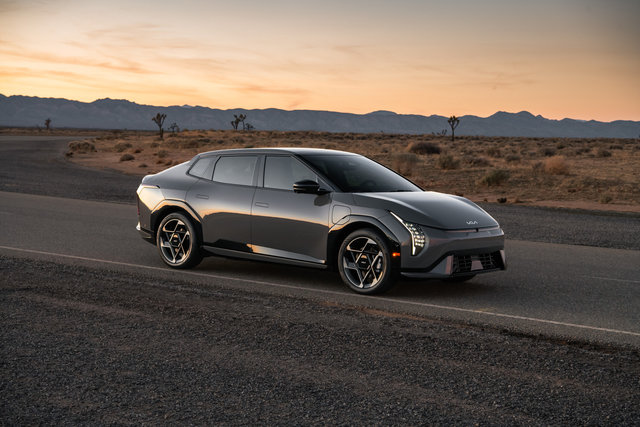
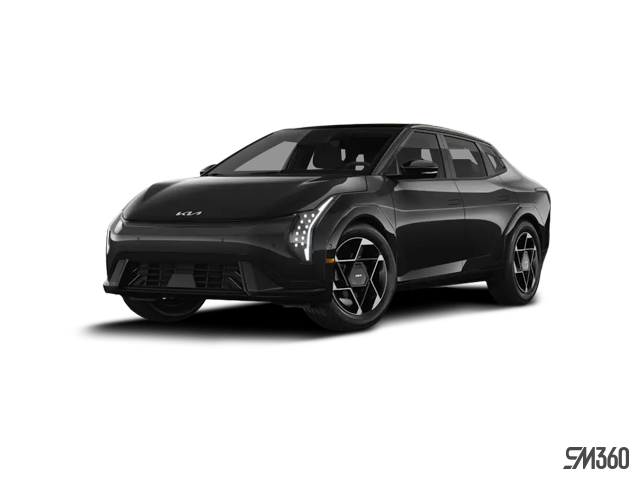
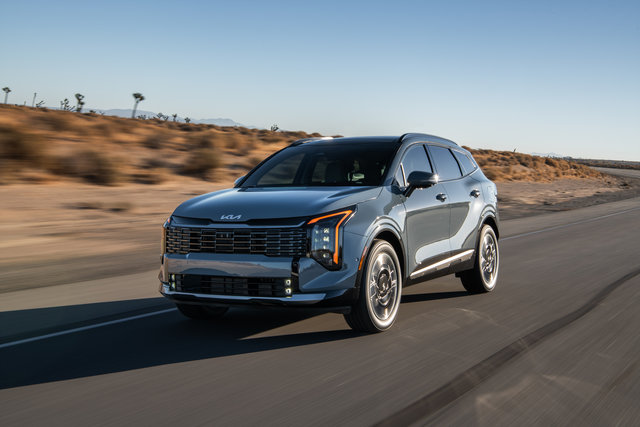
The 2026 Kia EV4 brings accessible electric mobility to Quebec drivers, combining sleek sedan styling with practical electric performance. As more drivers consider making the switch to electric vehicles, questions about driving range and charging naturally take centre stage.
This guide answers the most common questions about the 2026 Kia EV4's range and charging infrastructure, helping you understand what to expect from this new electric sedan.
What Battery Options Does the 2026 Kia EV4 Offer?
The 2026 Kia EV4 lineup features two distinct battery configurations:
58.3 kWh Battery (Light FWD)
- Entry-level configuration
- Lithium-ion polymer technology
- Integrated battery heating system
- Ideal for daily commuting and urban driving
81.4 kWh Battery (All Other Trims)
- Available on Wind, Wind Premium, GT-Line and GT-Line Limited
- Extended range capacity
- Lithium-ion polymer technology
- Integrated battery heating system
- Better suited for longer trips and highway driving
Both battery systems include integrated heating technology that maintains optimal performance during Quebec's cold winter months by preconditioning the battery pack before use.
How Far Can I Drive on a Single Charge?
Official NRCAN range estimates for the 2026 Kia EV4 are:
- Light FWD (58.3 kWh): 391 km
- Wind FWD (81.4 kWh): 552 km
- Wind Premium FWD (81.4 kWh): 515 km
- GT-Line / GT-Line Limited (81.4 kWh): 488 km
Actual range will vary based on several factors including driving style, climate control usage, terrain, and ambient temperature. The EV4's battery heating system and heat pump technology (standard on Wind and above) help maintain efficiency during winter driving.
What Charging Speeds Does the EV4 Support?
The 2026 Kia EV4 supports multiple charging methods to accommodate different situations and schedules.
DC Fast Charging
All trims feature 400-volt fast charging capability at public charging stations. Official charging times are:
- 58.3 kWh battery: 10% to 80% in approximately 29 minutes
- 81.4 kWh battery: 10% to 80% in approximately 31 minutes
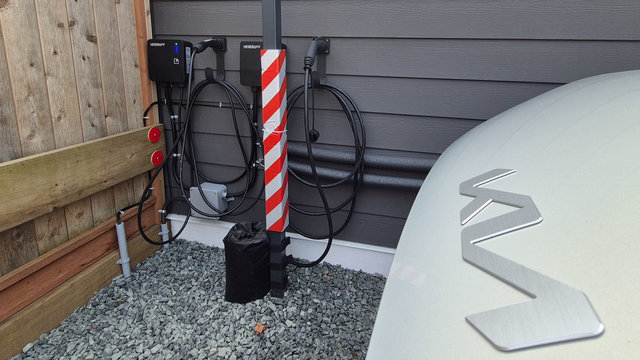
Level 2 Home Charging
The onboard charger works with 240-volt Level 2 equipment, fully replenishing the battery overnight. This ensures you start each day with maximum range. The larger 81.4 kWh battery will require longer charging times than the 58.3 kWh pack, but overnight charging easily accommodates both configurations.
Level 1 Charging
Standard 120-volt household outlet charging is possible, though charging times are considerably longer - best suited for maintaining charge during extended parking periods rather than regular daily use.
NACS Charging Port
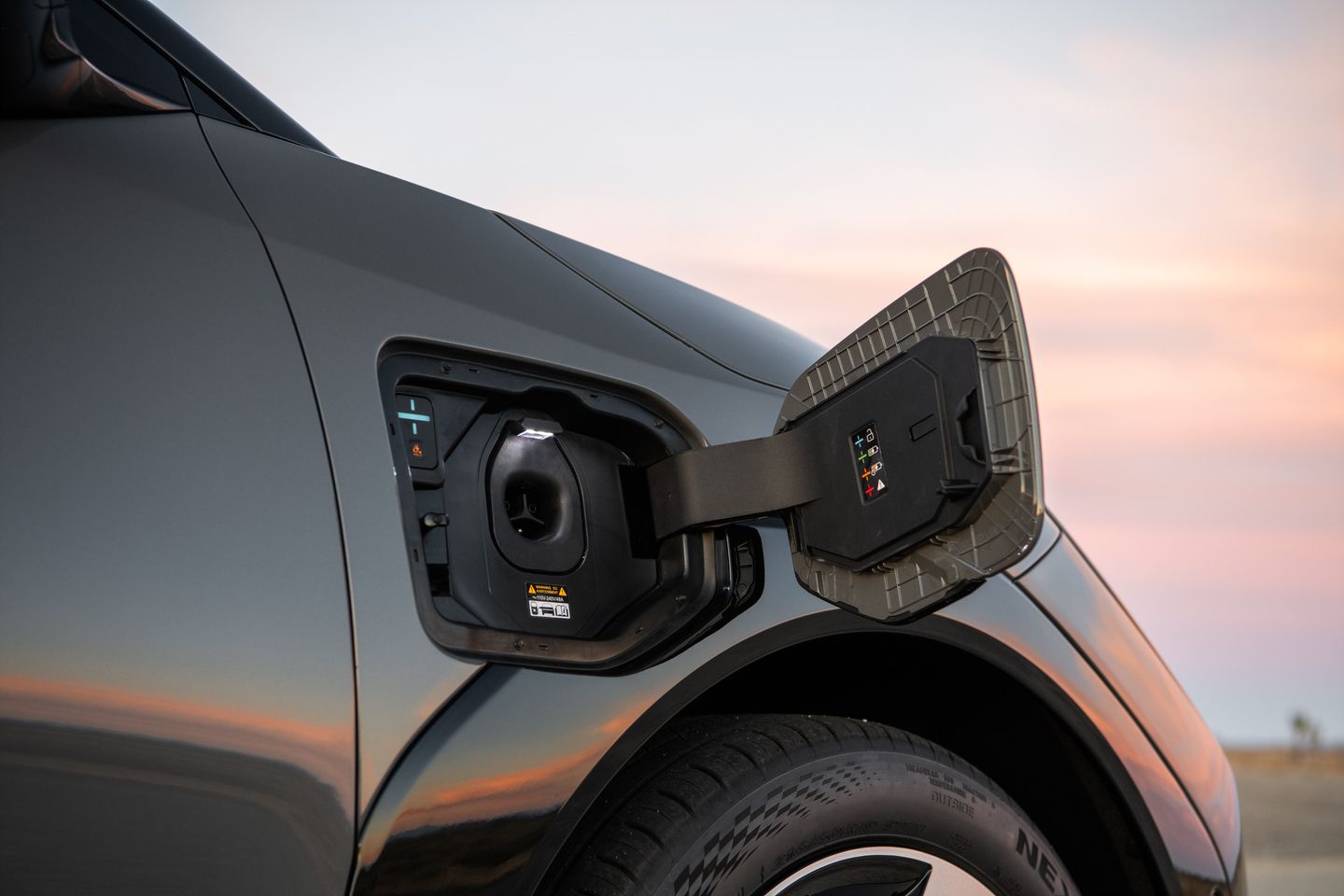
The 2026 EV4 includes a standard NACS (North American Charging Standard) charging port, providing compatibility with an expanding network of charging stations across North America.
Where Can I Charge the EV4 in Quebec?
Quebec offers one of Canada's most developed electric vehicle charging networks, with thousands of public charging stations distributed across urban centres and major travel corridors.
The Circuit électrique network, operated by Hydro-Québec, provides extensive Level 2 and DC fast charging coverage throughout the province. Fast charging stations are strategically positioned along major highways, enabling long-distance travel between Quebec's regions. Urban areas feature dense concentrations of Level 2 chargers at shopping centres, municipal parking facilities, and workplaces.
The Kia Connect system includes a charging station locator feature that identifies nearby charging points and can provide navigation guidance directly to available stations. This integrated technology helps you stay informed about charging infrastructure along your planned routes.
Many Quebec residents install Level 2 home charging equipment, taking advantage of overnight electricity rates and ensuring their EV4 is fully charged each morning. Provincial and federal incentive programs may help offset home charger installation costs.
Does the EV4 Offer Vehicle-to-Load Capability?
Select 2026 Kia EV4 trims include Vehicle-to-Load (V2L) technology, which transforms your vehicle into a mobile power source.
V2L capability is standard on GT-Line and GT-Line Limited trims. This feature allows you to power external devices and equipment directly from the vehicle's battery pack, delivering up to several kilowatts of household-style AC power through a dedicated adapter.
Practical applications include:
- Powering tools at remote work sites
- Running camping equipment during outdoor adventures
- Providing emergency backup power during outages
- Operating tailgating equipment at events
The V2L system draws from the main battery pack, so extended use will reduce available driving range accordingly. Light, Wind, and Wind Premium trims do not include V2L capability.
How Does Cold Weather Affect Range and Charging?
Quebec's winter climate presents specific considerations for electric vehicle operation, and the 2026 Kia EV4 incorporates several technologies to maintain performance in cold conditions.
The integrated battery heating system preconditions the battery pack to optimal operating temperature before driving begins. This technology preserves battery efficiency and maintains available range during cold weather operation. Preconditioning can be initiated remotely through the Kia Connect app while the vehicle remains plugged in, using grid power rather than depleting the battery.
The heat pump system (standard on Wind and above) provides efficient cabin heating with minimal impact on driving range compared to traditional resistive heating elements. Heat pumps extract thermal energy from outside air even at low temperatures, reducing the energy draw from the battery pack.
Winter range reduction is normal for all electric vehicles due to increased heating demands and battery chemistry effects at low temperatures. Drivers can expect approximately 20% to 30% range reduction during sustained cold weather, though preconditioning and efficient heat pump operation help minimize this impact.
DC fast charging speeds may also decrease in extremely cold conditions as charging systems automatically moderate power delivery to protect battery health. Allowing the battery to warm up before initiating fast charging - either through driving or preconditioning - can help maintain optimal charging rates.
What Charging Features Come Standard?
Every 2026 Kia EV4 includes core charging functionality designed for convenient daily use:
- 400-volt fast charging system for rapid replenishment at public DC charging stations
- Standard NACS charging port for broad network compatibility
- Onboard charger supporting Level 2 home charging equipment
- Kia Connect integration for remote charging monitoring and control
- Charging port LED indicators displaying status at a glance
- Detailed charging information on vehicle digital displays
Kia Connect integration provides remote monitoring of charging status, allowing you to check current charge level and estimated completion time from your smartphone. You can also initiate or schedule charging sessions remotely, optimizing charging times to coincide with lower electricity rates or ensuring the vehicle is ready when needed.
Learn More at Lallier Kia de Laval
Understanding how the 2026 Kia EV4's battery and charging capabilities align with your driving patterns is an important step in evaluating whether this electric sedan fits your lifestyle. Our team can provide detailed information about real-world range expectations, help you identify optimal charging solutions for your situation, and answer any questions about transitioning to electric driving.
Visit Lallier Kia de Laval to explore the EV4 lineup and learn how electric mobility can enhance your daily driving experience.
To learn more about the 2026 Kia EV4, visit Kia.ca