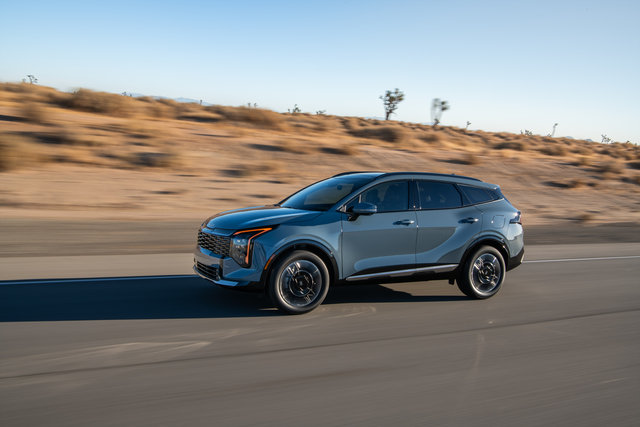
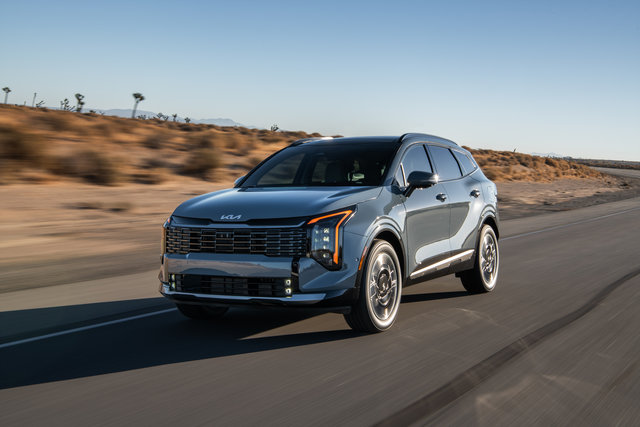
Switching to an electric vehicle (EV) can seem like a big decision, but Kia makes it easier than ever for Canadian drivers to embrace the future of driving. From improved fuel savings and reduced emissions to a growing network of charging stations, Kia's EVs are designed to fit seamlessly into your lifestyle. Whether you're curious about how far an EV can go, how charging works, or which type of EV is right for you, this guide will answer your questions and help you take the first steps towards greener driving.
Below, we cover the essentials of owning a Kia electric vehicle, including range, charging, and the key benefits of making the switch.
Why Are EVs Gaining Popularity?
EVs are transforming how Canadians think about transportation. Here’s why so many are switching:
- Fuel Savings: With electricity costing less than gasoline, EV drivers save money every kilometre they drive.
- Environmental Impact: EVs produce zero tailpipe emissions, reducing air pollution and helping to combat climate change.
- Lower Maintenance Costs: EVs have fewer moving parts than traditional gasoline vehicles, meaning lower repair and upkeep expenses.
What’s the Range of a Kia EV?
Range anxiety is a common concern, but Kia EVs are built to meet the needs of Canadian drivers. Many Kia EVs, such as the Kia EV9, can travel more than 400 km on a single charge. Considering that most Canadians drive less than 50 km a day, Kia EVs are more than capable of handling daily commutes.
For drivers who occasionally need extended range, plug-in hybrid electric vehicles (PHEVs) combine the benefits of electric driving with the added security of a gasoline engine for longer trips.
How Do I Charge a Kia EV?
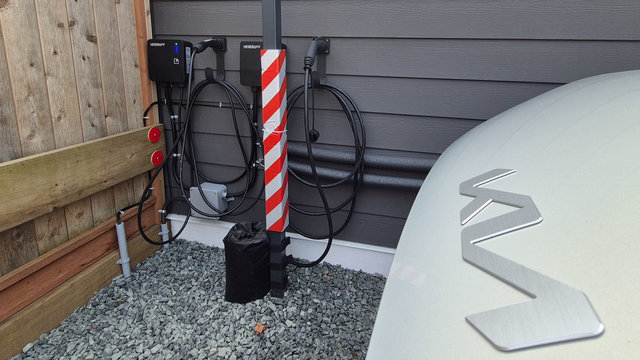
Charging your Kia EV is simpler than you might think, with multiple options available to suit your lifestyle:
- Level 1 (120V): Uses a standard household outlet, adding about 5–9 km of range per hour. Ideal for occasional drivers who can charge overnight.
- Level 2 (240V): Adds 25–40 km of range per hour and is perfect for daily drivers. Many Level 2 chargers are available at public locations like malls and restaurants or can be installed at home.
- Level 3 (DC Fast Charging): Adds 300+ km of range in about an hour, making it the best option for long trips. These chargers are available at high-traffic public stations across Canada.
Charging is incredibly convenient, with 71% of EV charging completed at home, and public charging stations are growing rapidly, with over 14,000 public charging ports in Canada.
What Are the Types of Kia EVs?
Kia offers three main types of electrified vehicles to suit diverse needs:
- Hybrid Electric Vehicles (HEVs):
- Combine an electric motor with a gasoline engine.
- Powered by regenerative braking and gasoline, with no need to plug in.
- Best for city driving and stop-and-go traffic.
- Plug-In Hybrid Electric Vehicles (PHEVs):
- Can operate in full EV mode for shorter trips or use the gasoline engine for extended range.
- Chargeable via standard outlets or EV chargers.
- Ideal for drivers who want the benefits of an EV but still need a backup gasoline engine.
- Battery Electric Vehicles (BEVs):
- Fully electric, powered entirely by a battery with no gasoline engine.
- Produce zero tailpipe emissions and have the lowest maintenance costs.
- Perfect for eco-conscious drivers looking for a completely gas-free experience.
How Long Does It Take to Charge a Kia EV?
The time to charge your Kia EV depends on the method used:
- Home Charging: A Level 1 outlet can take 24–48 hours to fully charge, while a Level 2 charger reduces this to just 6–8 hours.
- Public Charging: Level 3 fast chargers can charge a battery up to 80% in about 60 minutes, making them ideal for long trips.
Are EVs Right for Winter Driving?
Kia EVs are designed to handle Canadian winters with ease. Features like battery pre-conditioning, all-wheel drive options, and energy-efficient heating systems ensure optimal performance in cold weather. Plus, with regenerative braking, your EV can recover energy even when stuck in traffic.
Why Choose an EV from Lallier Kia Laval?
At Lallier Kia Laval, we’re committed to helping drivers make informed decisions about going electric. Whether you're considering a hybrid, plug-in hybrid, or all-electric vehicle, our team can walk you through the benefits of each option and help you find the perfect match. With Kia’s innovative technology and Canada’s growing EV infrastructure, there’s never been a better time to make the switch.
Visit us today to explore our electric vehicle lineup, take a test drive, and learn more about how Kia is leading the way in sustainable driving.
To learn more about Kia’s Electric Vehicle lineup, visit Kia.ca