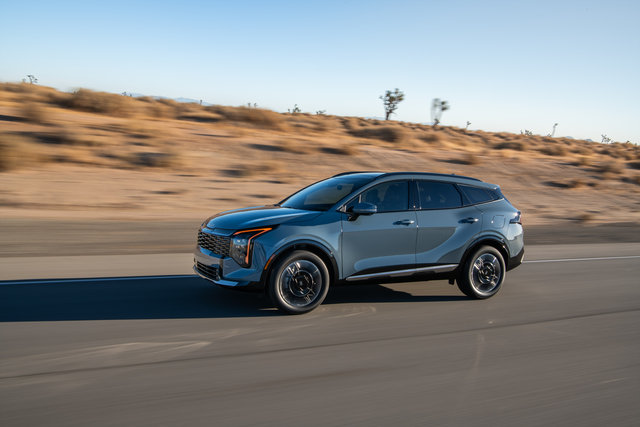
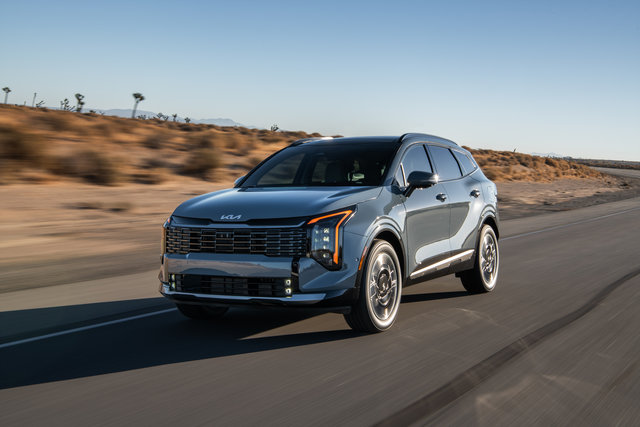
In a world first, Kia has transformed plastic waste from the Great Pacific Garbage Patch into a practical vehicle accessory. The new limited-edition trunk liner for the Kia EV3 marks a tangible step forward in automotive sustainability, proving that ocean waste can become valuable automotive components.
Innovation Meets Environmental Action
Kia's partnership with The Ocean Cleanup has produced remarkable results with the development of this specialized trunk liner. Made with 40% recycled ocean plastic, this accessory maintains the durability and protective qualities of conventional trunk liners while addressing critical environmental challenges. The seven-year partnership between Kia and The Ocean Cleanup focuses on transforming marine plastic waste into practical, high-quality automotive products. This initiative represents more than just an accessory launch - it demonstrates how automotive companies can take direct action in ocean conservation.
Design and Functionality Features
The trunk liner's design draws inspiration from Kia's 'Opposites United' philosophy, featuring a distinctive geometric wave pattern on its surface. This pattern recalls the ocean's movement and The Ocean Cleanup's plastic collection process. Each trunk liner includes a QR code that connects customers to detailed information about the product's development journey and the partnership's environmental impact. The Ocean Cleanup's logo appears on each piece, certifying its authentic origin from their ocean plastic recovery efforts.
Recycling Process and Material Standards
Creating automotive components from ocean plastic presents unique challenges. Unlike ocean-bound plastic, materials recovered from the Great Pacific Garbage Patch have experienced prolonged exposure to marine conditions. Kia implements strict Chain of Custody Standards to verify the material's traceability and integrity. This rigorous process ensures that every trunk liner meets automotive industry quality requirements while maintaining its environmental credentials.
Kia's Broader Sustainability Vision
This ocean plastic initiative builds on Kia's existing sustainability efforts. The company already incorporates recycled materials across its electric vehicle lineup, including recycled fishing nets in the EV9's flooring and plastic bottles in the EV6's seat fabrics. Looking ahead, Kia plans to increase recycled plastic use in its vehicles to exceed 20% by 2030. This goal demonstrates their commitment to establishing a circular resource system that transforms waste materials into valuable automotive components.
Kia's innovative trunk liner allows customers to participate directly in ocean conservation efforts while protecting their vehicle. Through this initiative, Kia proves that addressing environmental challenges and creating premium automotive products can go hand in hand.
To learn more about Genuine Kia Accessories, visit Kia.ca